

Policy makers, doctors at Hyderabad AIG meet warn of obesity epidemic in India
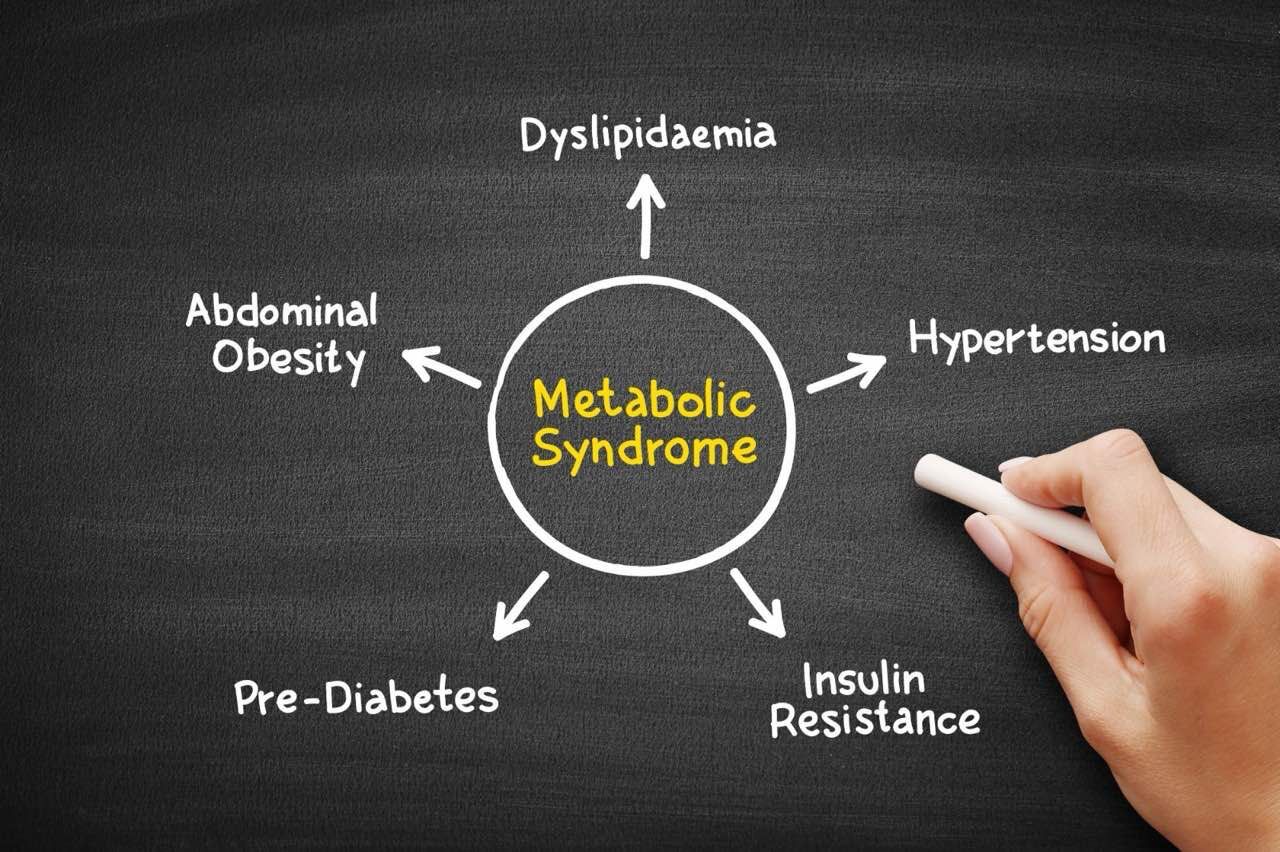
Hyderabad: The ‘Thin-Fat’ phenotype, where Indians tend to have a higher percentage of body fat around the abdomen, is leading to rising obesity in the country.
Obesity and related ailments were discussed at the AIG Hospitals Gut & Metabolic Summit attended by many prominent doctors, AI innovators and policymakers. The transition of India from an undernourished country to an overnourished country has brought a burden of diseases.
Shift to urban areas and economic growth
The rapid urbanisation and economic shifts have created a double burden of diseases in India. Recent health surveys and experts at the summit discussed the unique factors that are causing obesity and the unique factors contributing to it:
1. Hidden calories: As more Indians move to cities, sedentary lifestyles have become the norm. The traditional diet, once high in fibre and local grains, is being replaced by ultra-processed foods, high-sugar beverages and ‘empty calories.’ This transition is happening faster than the public’s awareness of its health consequences.
2. Thin-Fat phenotype: Researchers at the summit highlighted a specific challenge for the Indian population: the Thin-Fat phenotype. Indians often have a lower Body Mass Index (BMI) compared to Western populations but carry a higher percentage of body fat, particularly around the abdomen (visceral fat).
Dr Rakesh Kalapala, Director of the Centre for Obesity and Metabolic Therapy at AIG, says, “Indians are more susceptible to Type 2 Diabetes and Metabolic Syndrome at lower weight levels than their global counterparts.”
3. Luxury misconception: In many parts of India, being overweight was traditionally seen as a sign of prosperity. Reversing this cultural mindset is a primary goal of the AIG Community Awareness Program.
4. Workplace stress: Long hours in the tech and corporate sectors (highly relevant to the Gachibowli hub) have led to poor sleep patterns and irregular eating, both of which are primary triggers for metabolic disruption.
5. Childhood obesity: With increased screen time and easy access to junk food, a new generation is developing insulin resistance earlier than ever, placing an immense future burden on India’s healthcare infrastructure.
What is the challenge now?
Experts observed that Indians cannot treat their way out of the obesity crisis by undergoing bariatric surgery. This is not the solution, shared experts.
The solution requires a multi-disciplinary hub where the advanced medical technology, with aggressive community education and policy changes, makes healthy living an easier choice for the average citizen.
Dr Rakesh Kalapala says, “We have to reshape the entire lifecycle of the disease—from early identification via AI tools to sustainable lifestyle management and advanced endoscopic interventions for those who are in the obesity threshold. The others need outreach community programs so that people take preventive measures. This is the way forward.”
Community awareness program
At AIG Hospitals, the ‘science-meets-society’ approach highlighted that the battle against obesity is fought much in the workplace and at home rather than in hospitals.
“There is a need for proper, scientific guidance in terms of nutrition, dealing with stress and also the lifestyle issues which are coming in too early to the hospitals. The onset of metabolic diseases is the beginning of health problems and it is very important to have prevention and wellness programs which will guide the young to opt for it, before it is too late,” explained Dr D Nageshwar Reddy, chairman of AIG Hospitals.
He said, “Clinical care alone is no longer the solution. A multidisciplinary leadership with scientific innovation and public awareness is required to tackle this burgeoning problem that is now in the country.”
Source link
